

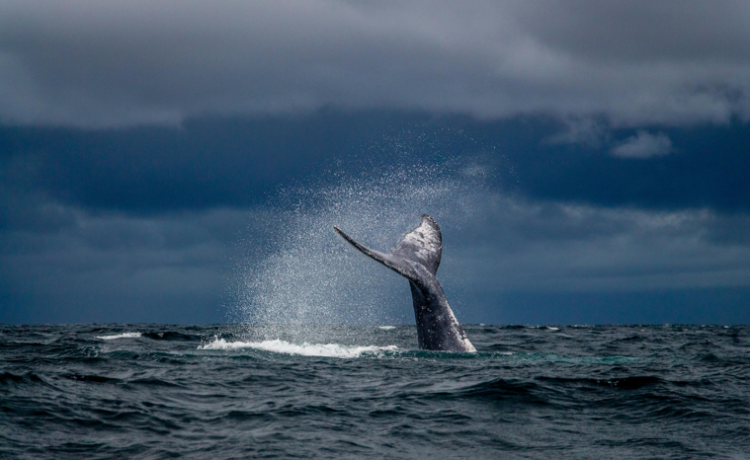

Kenya’s most famous attractions are its renowned wildlife safaris, including the “Big Five” and the magnificent Great Migration across the Maasai Mara. The yearly humpback whale migration is another natural phenomenon off the coast of Kenya that is drawing interest from both travelers and tourism industry experts.
The humpback whale migration, which occurs along Kenya’s coastline and is especially popular in the picturesque town of Watamu, is a phenomenon that has made Kenya a popular marine tourism destination. Kenya’s coast is among the best spots in Africa to watch this amazing event, as these majestic creatures migrate thousands of kilometers from the Antarctic to milder equatorial waters every year from July to September to breed and calve.
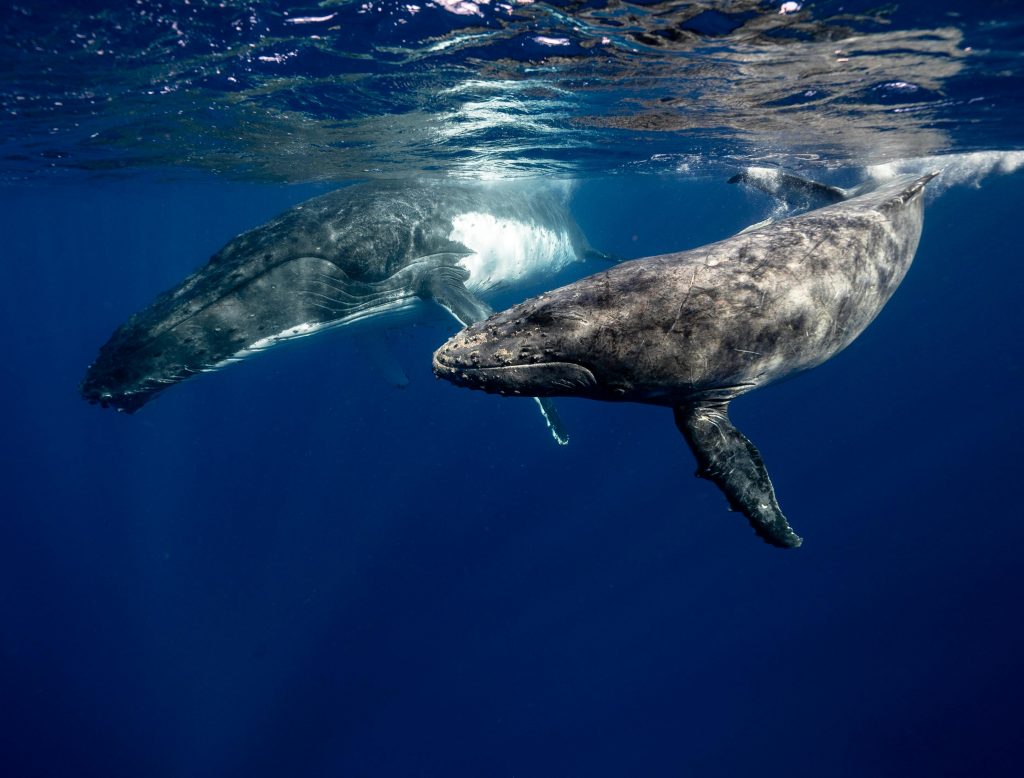
Kenya’s shores have drawn tourists looking for immaculate beaches and a thriving marine ecosystem for many years. But whale watching gives the pleasure of being by the coast a whole other level. Up to 40 tons of humpback whales can be seen leaping from the water in acrobatic displays called breaching, and the ocean is filled with the mournful sounds of their choruses. Travelers, particularly those seeking something more exotic than the standard safari, will find these amazing moments to be a strong incentive.
There’s more in store for visitors going on whale-watching excursions in Kenya’s Indian Ocean seas than just seeing whales. They might come upon dolphins, sea turtles, and even the elusive whale shark among the humpbacks, making up the “Marine Big Five” that enhances the experience. This provides a chance for tourists who are interested in conservation to enjoy marine variety and witness directly the significance of preserving these habitats.
The rise in whale watching as a key attraction in Kenya presents a major opportunity for tourism professionals. By promoting the humpback whale migration as a complementary experience to traditional safaris, travel agencies, tour operators, and hoteliers can diversify their offerings and attract a broader clientele. The appeal of blending wildlife experiences on land and at sea taps into a growing trend of eco-conscious and adventure-seeking travelers looking for holistic nature experiences.
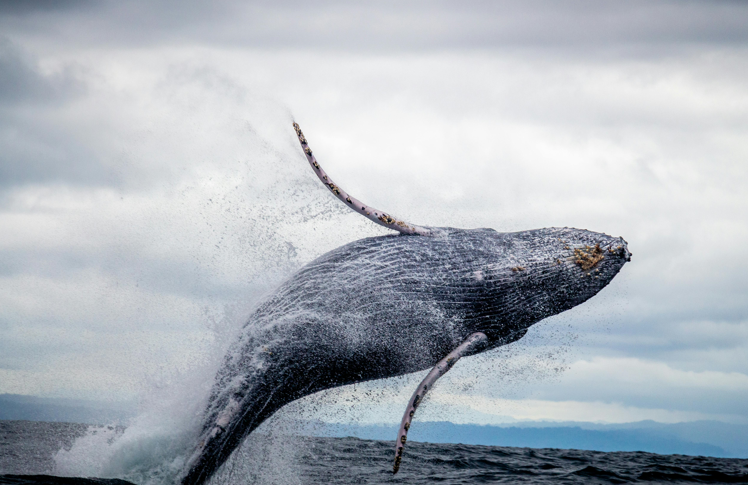
For example, tour operators could create unique packages that combine whale watching with beachside relaxation, snorkelling, and deep-sea fishing trips, offering a well-rounded itinerary that appeals to different traveler preferences. These packages can be marketed as exclusive, once-in-a-lifetime experiences that differentiate Kenya from other coastal or marine destinations.
More than just a thrilling adventure, whale watching in Kenya has the potential to educate tourists about marine conservation. Partnerships with marine biologists, conservation organizations, and local communities can add an educational layer to the experience. Operators can organize tours where tourists learn about the whales’ migration patterns, their role in marine ecosystems, and the ongoing conservation efforts to protect them.
Watamu, already known for its marine reserves and turtle conservation efforts, serves as an ideal location for integrating tourism with environmental stewardship. Tourism professionals can support conservation initiatives through responsible whale-watching practices, ensuring minimal disturbance to marine life. This emphasis on sustainability not only protects the natural resources that draw tourists in but also enhances Kenya’s image as a responsible and ethical tourism destination.
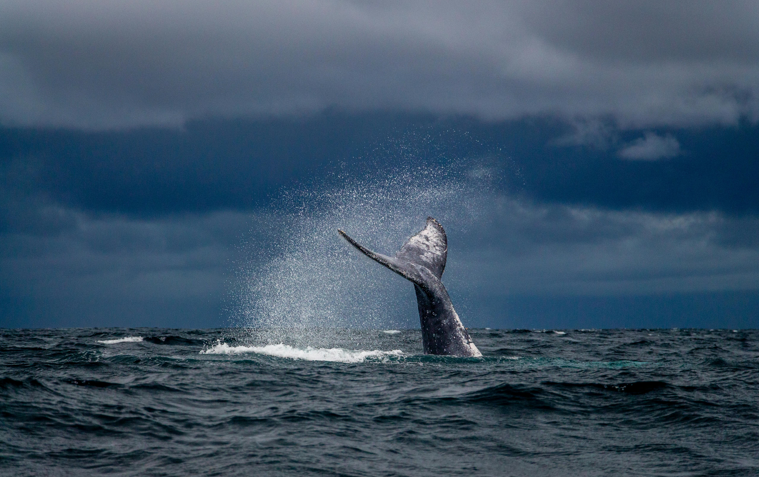
In a crowded global tourism marketplace, Kenya’s ability to offer diverse, unique experiences is crucial for maintaining its competitive edge. While traditional safaris remain a key draw, the increasing popularity of marine tourism allows Kenya to stand out among other African destinations. By offering travelers the opportunity to witness two of nature’s greatest spectacles—the Great Migration on land and the humpback migration at sea—Kenya positions itself as a year-round destination with something for every type of visitor.
Tourism professionals should seize this moment to innovate their offerings, leveraging the incredible story of the humpback whale migration to attract new demographics of tourists, including wildlife enthusiasts, conservationists, and families looking for educational travel experiences.
The tourism sector in Kenya is changing, and whale watching presents a promising new growth path. In addition to being a beautiful natural spectacle, the yearly humpback migration off the coast of Watamu offers tourism industry professionals a chance to diversify their offerings, teach tourists about marine conservation, and keep Kenya a top travel destination worldwide. Tourism experts can give visitors a strong incentive to see Kenya’s coastal attractions by highlighting this exceptional marine show, making for unforgettable encounters that extend beyond the savannahs.
Integrating whale watching into Kenya’s tourism narrative will guarantee that the nation stays in the minds of prospective and returning tourists while providing a novel viewpoint on the splendor and diversity of its natural environments.