


Tanzania’s ambitious plan to build a 50 km bridge connecting Dar es Salaam with Zanzibar Island has caught the attention of global infrastructure enthusiasts, but it promises to reshape the future of Tanzanian tourism as well. Set to be the longest bridge in Africa upon its completion in 2028, this project will provide a direct link between two of Tanzania’s most iconic locations: the bustling coastal city of Dar es Salaam and the idyllic tropical paradise of Zanzibar. From a tourism perspective, the construction of this monumental bridge is poised to transform the tourism landscape in ways that could catapult both destinations to new heights.
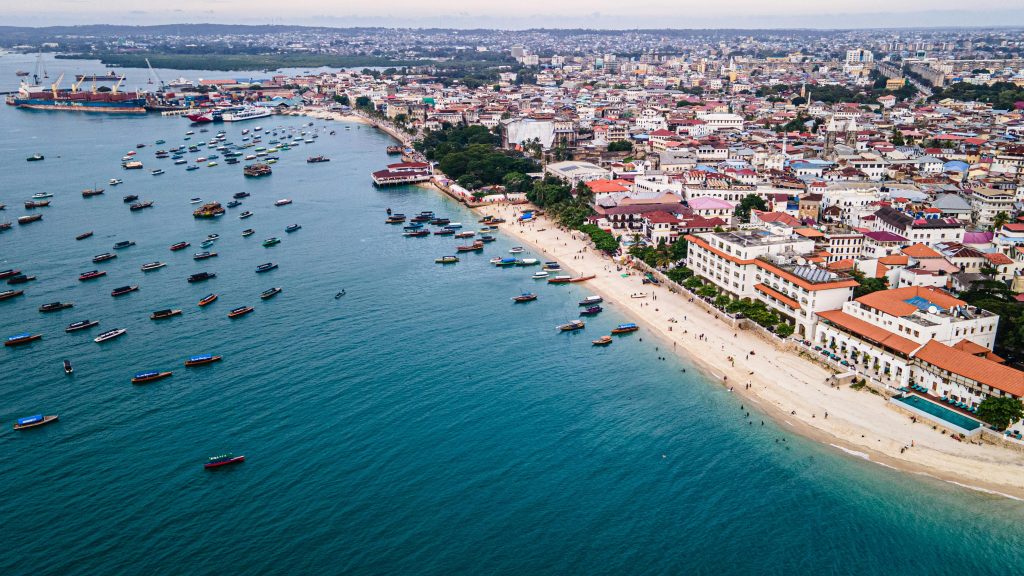
Seamless Accessibility
One of the most significant impacts the bridge will have is the ease of access between Dar es Salaam and Zanzibar. Currently, tourists must rely on ferries or short flights to travel between the two, a process that adds time and costs to their itineraries. For those who may have previously hesitated to include both locations in their travel plans due to the logistics of sea travel or the added cost of air travel, the bridge offers a game-changing alternative. Travelers will soon have the freedom to make a scenic drive across the Indian Ocean from the mainland to Zanzibar, streamlining the journey and encouraging more visitors to experience both destinations in a single trip.
This increased accessibility will likely boost domestic tourism as well. Tanzanian residents from all walks of life will be more inclined to visit Zanzibar for quick weekend getaways, while residents of the island will have more opportunities to travel to the mainland for events, shopping, and exploring other parts of the country. The bridge will essentially remove the geographical barrier between these two regions, making travel more spontaneous and frequent.
Tourism Infrastructure Growth
The development of the bridge is also expected to attract significant investment in the tourism sector along the route and in surrounding areas. Dar es Salaam, already a hub of commerce and culture, will likely see a surge in demand for hotels, restaurants, and tourism services as more visitors opt to spend time in the city before or after their journey to Zanzibar. Zanzibar itself, famous for its white sandy beaches, rich history, and Swahili culture, could experience an even greater increase in tourism numbers.
Investors are likely to capitalize on the influx of tourists by building new luxury resorts, eco-lodges, and budget-friendly accommodations to cater to the diverse needs of travelers. Additionally, tourism service providers will innovate by offering new guided tours, cultural experiences, and adventure activities to take advantage of the bridge as a new travel route. These developments could generate employment opportunities for locals and further stimulate the tourism industry, which plays a significant role in Tanzania’s economy.
Sustainable Tourism and Environmental Concerns
While the bridge promises economic and tourism growth, it also brings into focus the importance of sustainable tourism. The sheer scale of the bridge will attract curious travelers eager to see this engineering marvel firsthand, potentially drawing attention away from the natural beauty of Zanzibar’s beaches and historical sites. This shift in focus could lead to overcrowding in certain areas, especially along the routes that will support the bridge.
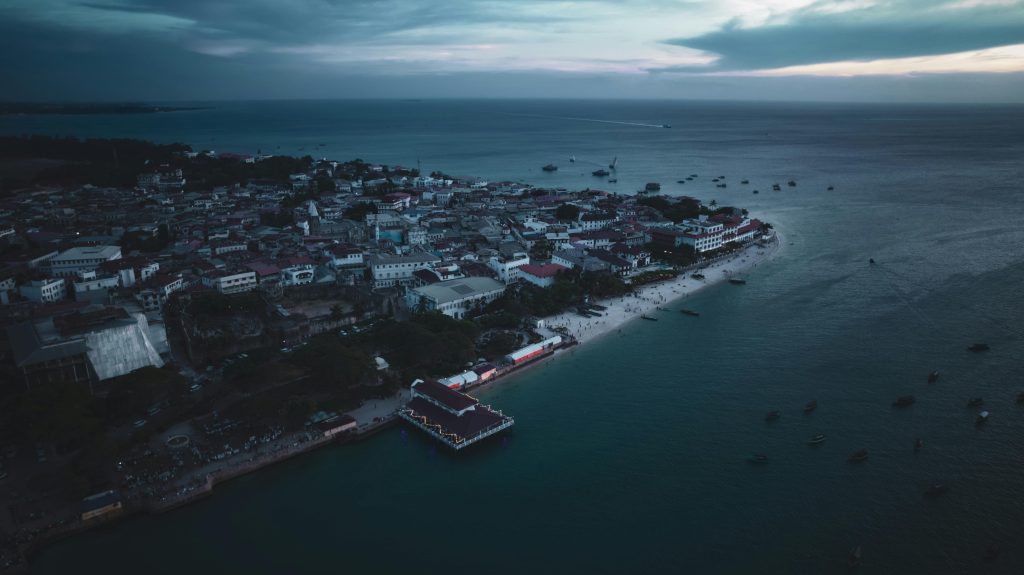
To mitigate potential environmental concerns, the government and tourism operators must emphasize sustainable practices. Conservation of Zanzibar’s fragile coral reefs and marine life, which attract eco-conscious travelers, should be prioritized to prevent damage from increased tourist activity. Furthermore, eco-tourism initiatives can be promoted to ensure that tourism growth does not come at the expense of the environment. This balance will be key to ensuring that the tourism boost from the bridge benefits both people and the planet.
Increased International Attention
Africa is already becoming an increasingly popular destination for international tourists, and iconic infrastructure projects like this bridge will likely put Tanzania in the spotlight. Much like how the Golden Gate Bridge or the Sydney Harbour Bridge became symbols of their respective cities, the Dar es Salaam-Zanzibar bridge has the potential to become a globally recognized landmark. With this recognition, Tanzania could see an uptick in international tourist arrivals, drawn by the novelty of the bridge in addition to the rich cultural and natural heritage that the country offers.
Travelers seeking new and unique experiences will likely flock to Tanzania, eager to traverse Africa’s longest bridge while enjoying the beauty and culture of Dar es Salaam and Zanzibar. This international attention could open new markets for Tanzanian tourism, particularly in Europe, Asia, and North America, as travel media and bloggers share their experiences with global audiences.

The 50 km Dar es Salaam-Zanzibar bridge is more than just an infrastructure project; it is a game-changer for Tanzania’s tourism industry. By improving accessibility, fostering tourism infrastructure growth, and drawing international attention, the bridge is poised to create lasting positive impacts for both Dar es Salaam and Zanzibar. However, with this growth comes the responsibility to balance development with sustainability, ensuring that the unique beauty and ecological significance of these destinations are preserved for future generations of travelers to enjoy. As the project progresses, Tanzania will likely emerge as a top destination for both adventure and cultural tourism, connected by one of the most exciting infrastructural developments in Africa’s history.